

Welcome to Farmland First
The mission of Farmland First is to provide education, advocacy, political influence, fundraising, and litigation support for rural people and our health, safety and land.
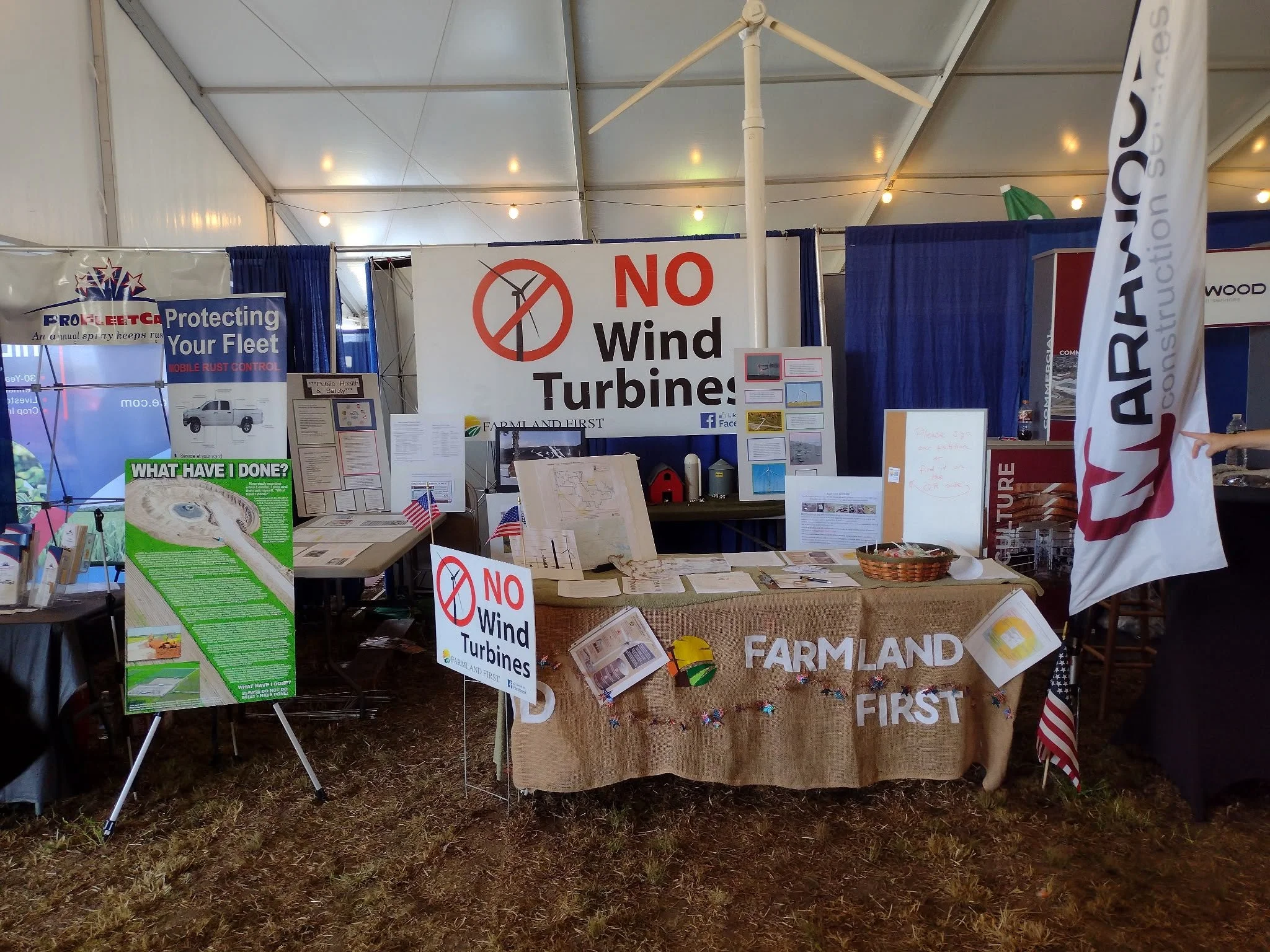
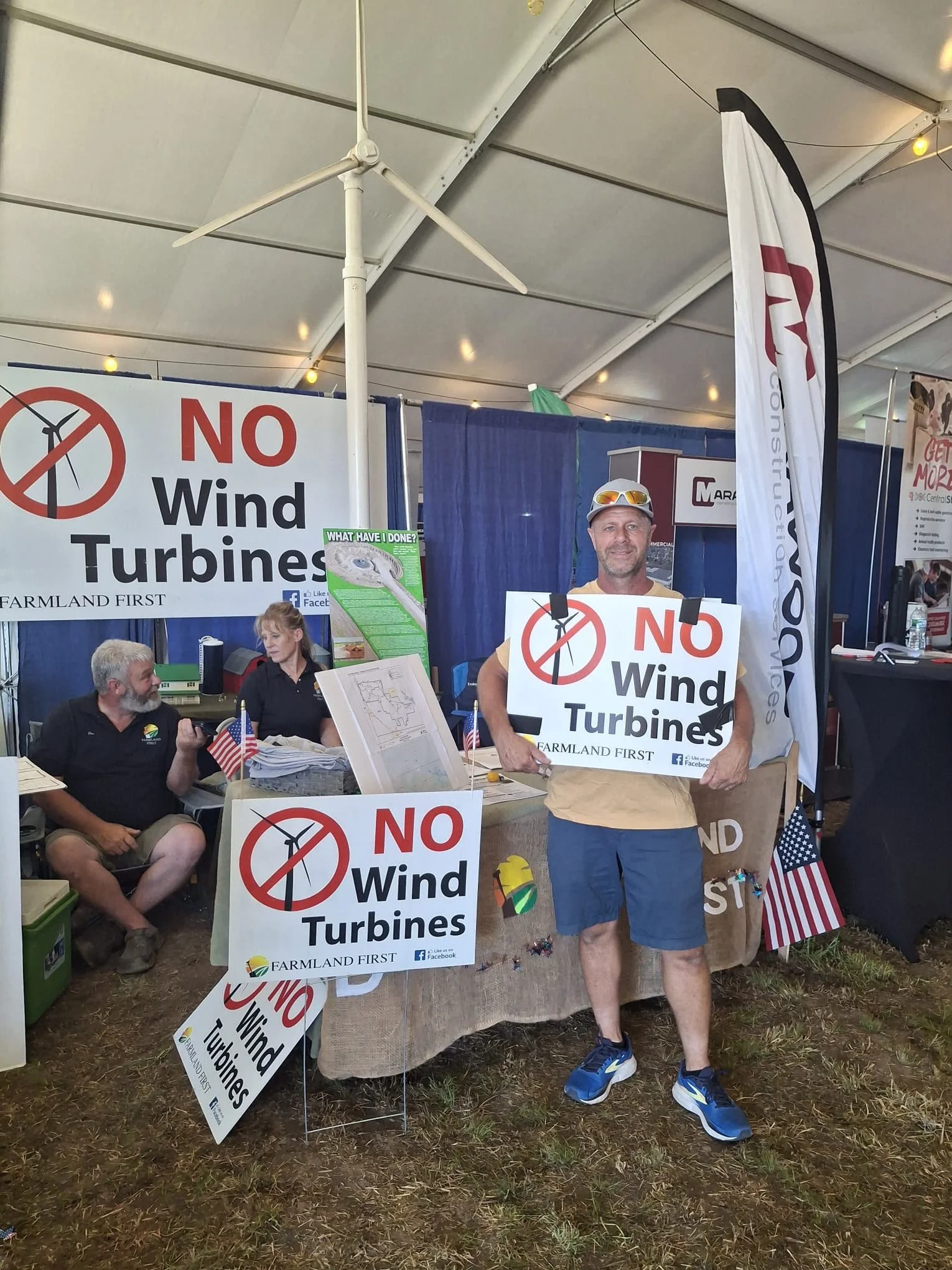
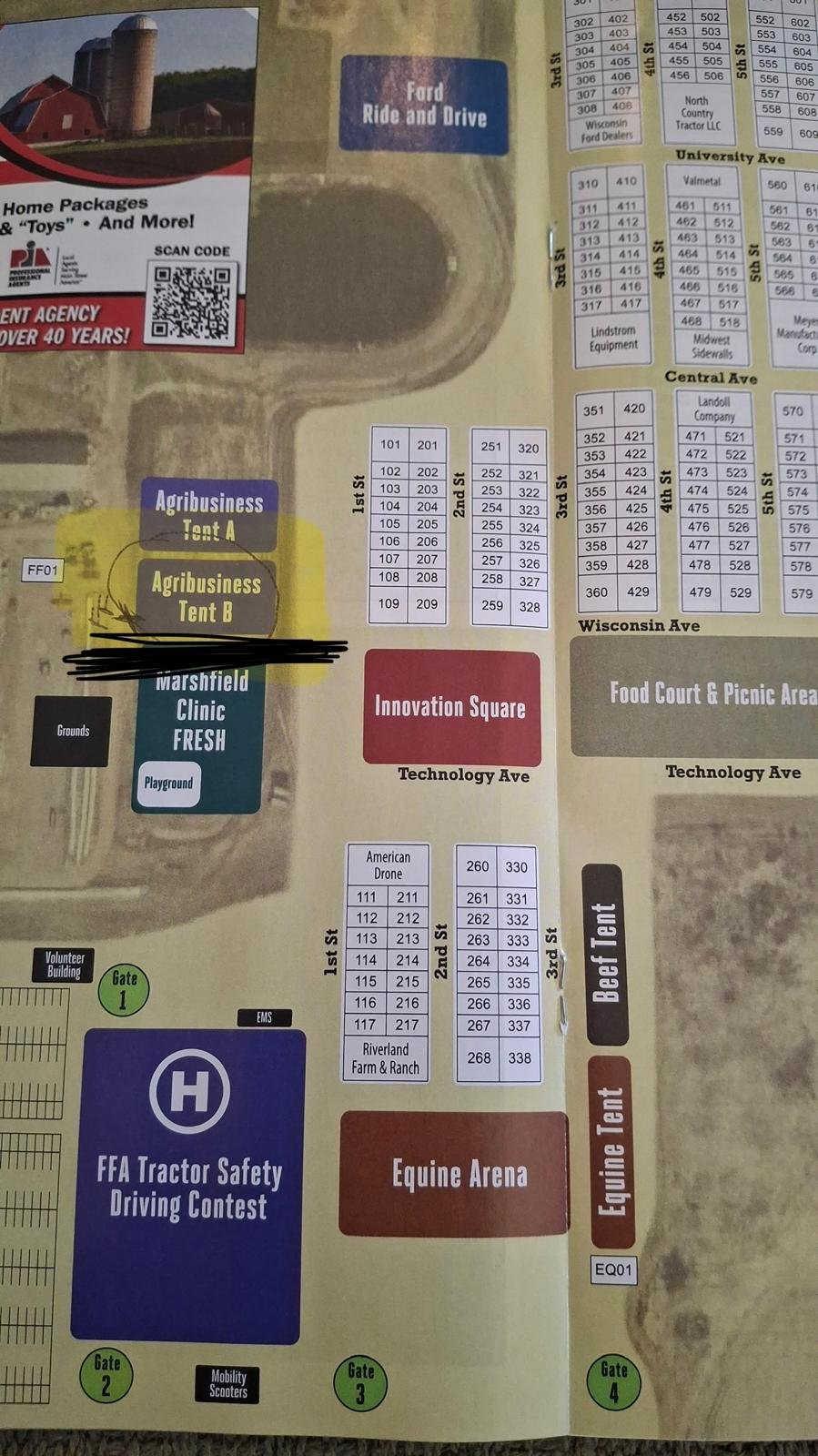
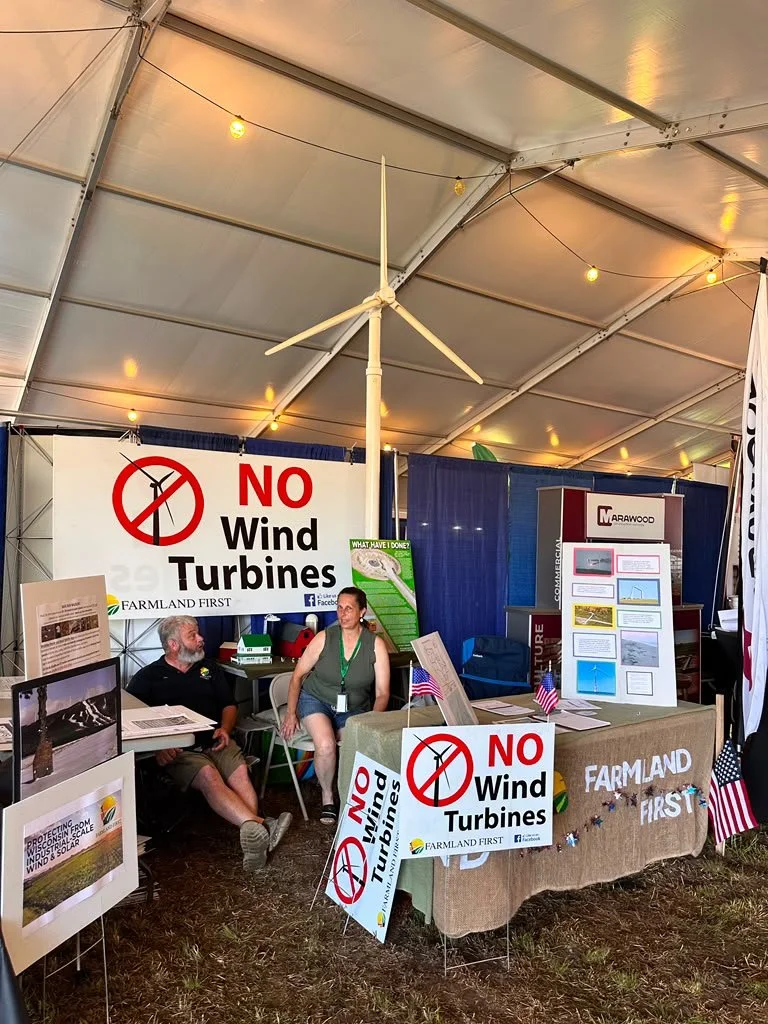
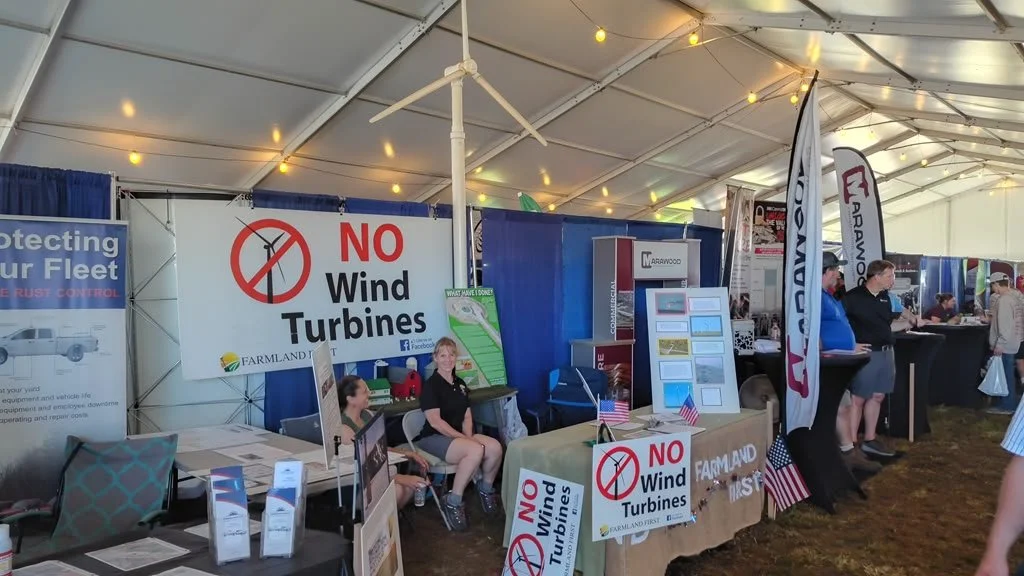
Find us in booth B155
Support Local Control of Industrial-Scale Wind and Solar Development
Industrial-scale wind and solar developments are permanently changing our agricultural landscape. Farmland First believe local communities should have a meaningful voice in decisions that affect their health and safety, farmland, homes, roads, and way of life.
By signing below, I support restoring meaningful local control over industrial-scale wind and solar development in order to protect health and safety, and farmland in our Wisconsin communities.
Join Farmland First in the Community
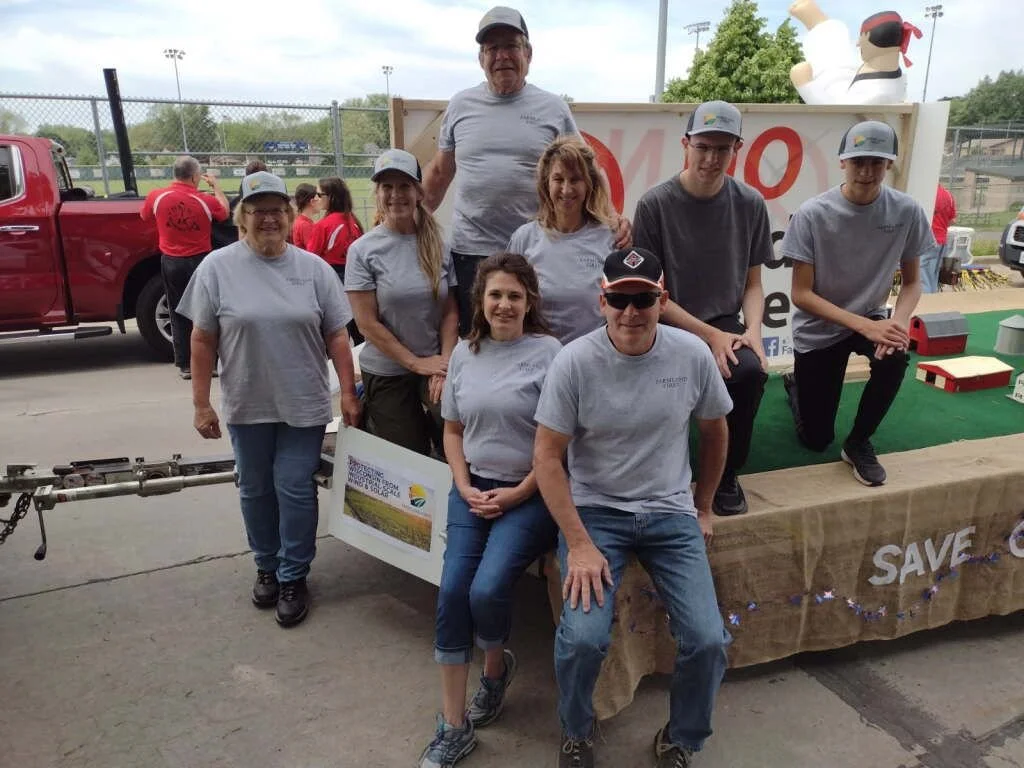
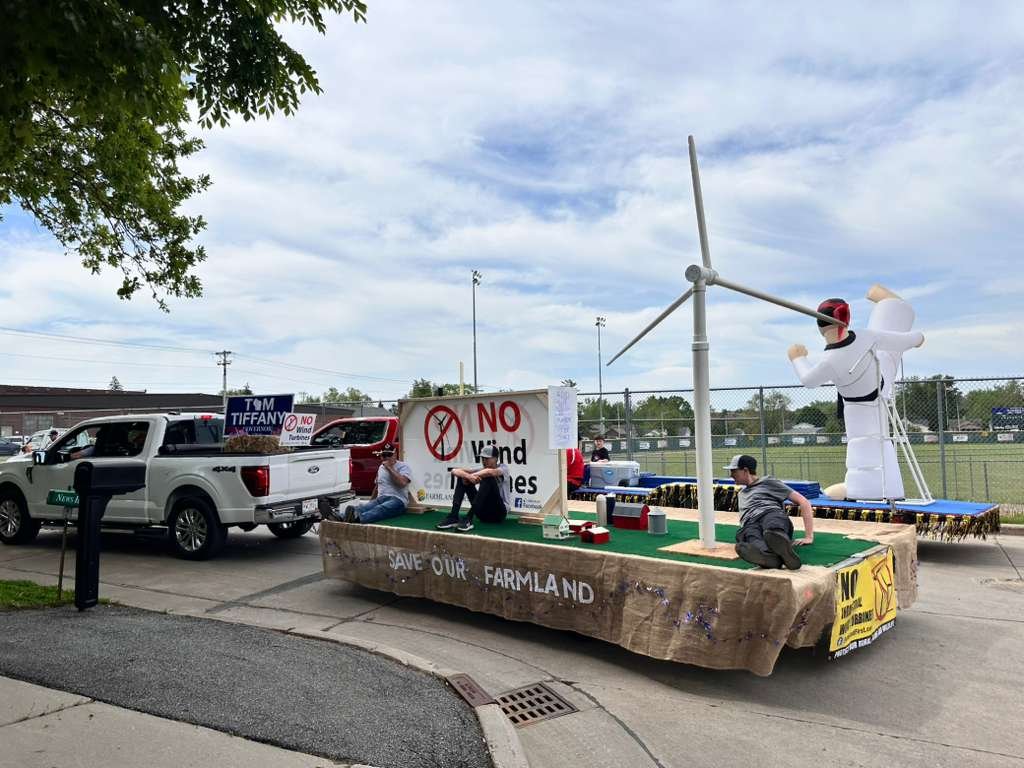
Farmland First was honored to participate in the Marshfield Dairyland Parade and connect with community members from across the area.
Want to be part of our next event? We welcome volunteers who want to help educate, engage, and advocate for our local communities.
To learn more or get involved, contact us at farmlandfirstmarathon@gmail.com.
What to Expect from Large-Scale Energy Projects in Our Area
Our region is seeing an increase in proposals for large-scale industrial energy development, including wind and solar projects, along with supporting infrastructure. While these projects are often described in simple terms, they will bring long-term changes that affect daily life in rural communities.
If the projects move forward, residents can expect an increase in the following during construction: heavy truck traffic, road wear, noise, dust, and disruption to normal travel. Farmland and natural areas will be altered to accommodate equipment, access roads, and transmission infrastructure.
If constructed, these projects will become a permanent part of the landscape. Nearby residents are bound to experience ongoing visual impacts, industrial activity in rural settings, potential noise under certain conditions, nighttime lighting, and additional transmission lines and substations.
These are long-term developments that will reshape the character of rural communities for decades. It is important for residents to stay informed, ask questions, and participate in local decision-making as these projects are being discussed, and in the event they move forward.

Things to Consider
What health risks have been reported from living near large wind turbines?
2. Why are companies allowed to change or end contracts with little warning, while landowners are unable to do the same?
3. Why are landowners often bound by non-disclosure agreements?
4. Who is responsible/liable if something goes wrong—the developer or landowner?
5. Who are these contracts with—local or outside companies?
6. How big is a 580–680 foot turbine?
7. How will turbines change rural views and landscapes?
8. Will these projects lower property values?
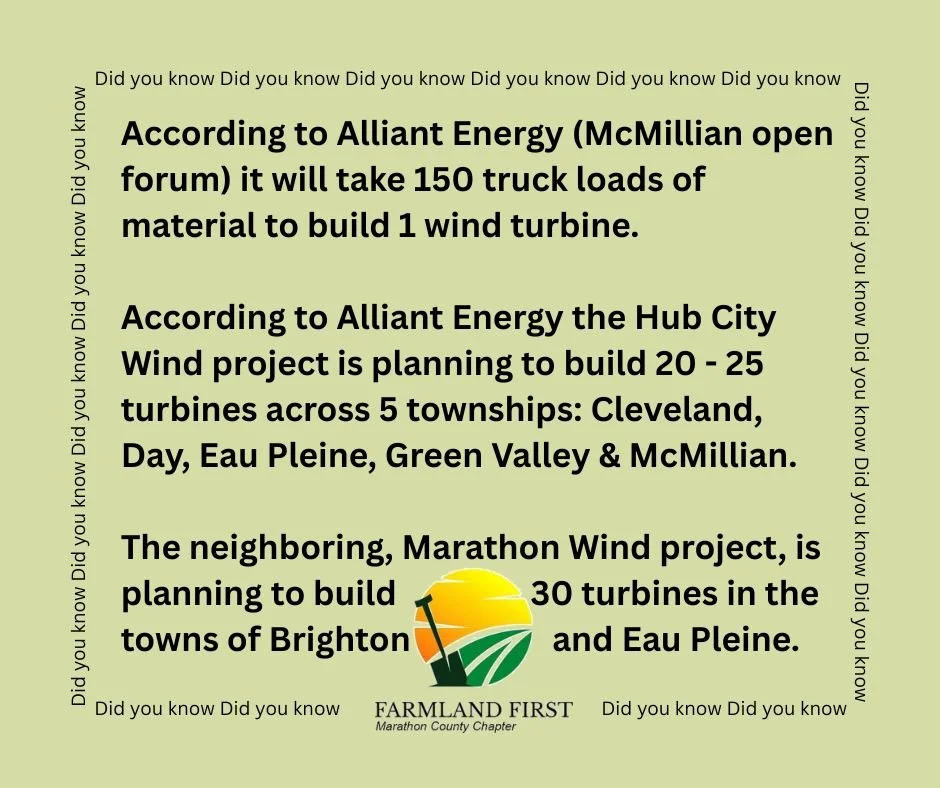
9. How will 150 trips by heavy trucks, per turbine, affect communities?
10. What should residents expect under the 45–50 dB noise limit?
11. Who is responsible for mitigating noise, lights, and shadow flicker?
12. What happens to groundwater during and after construction?
13. How will wildlife like birds and bats be affected?
14. Will substations and power lines need upgrades—and how will that impact residents and farmland?
15. Who is responsible for removing turbines when they reach end of life?
16. Will these projects open our communities to other industrial scale projects beyond local control?
Did you know?
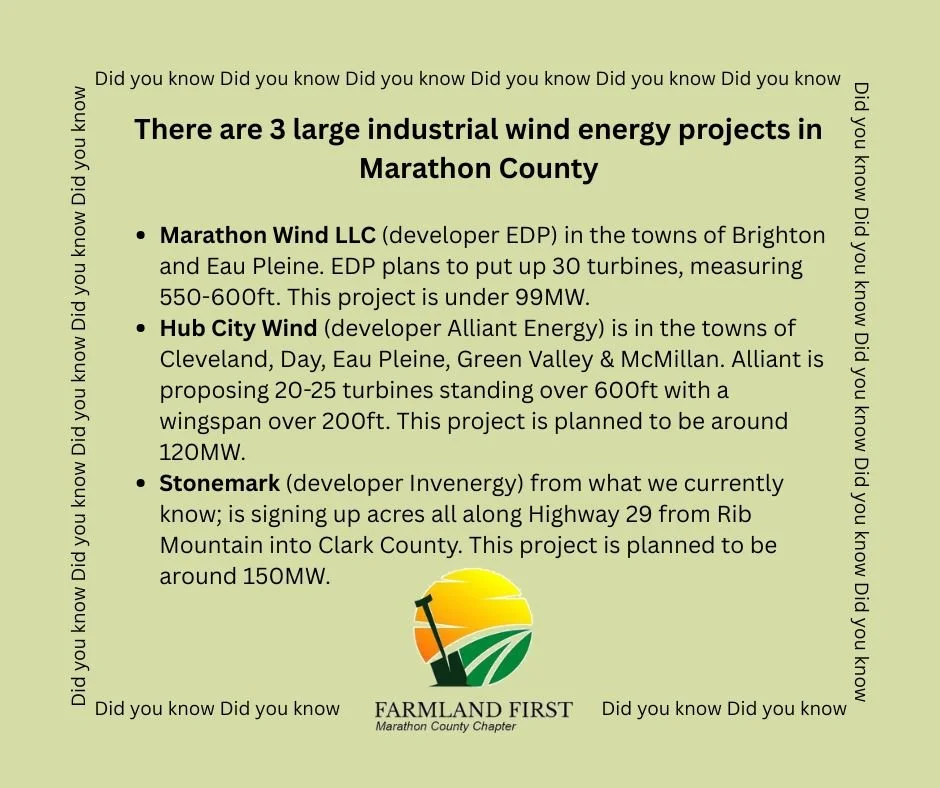
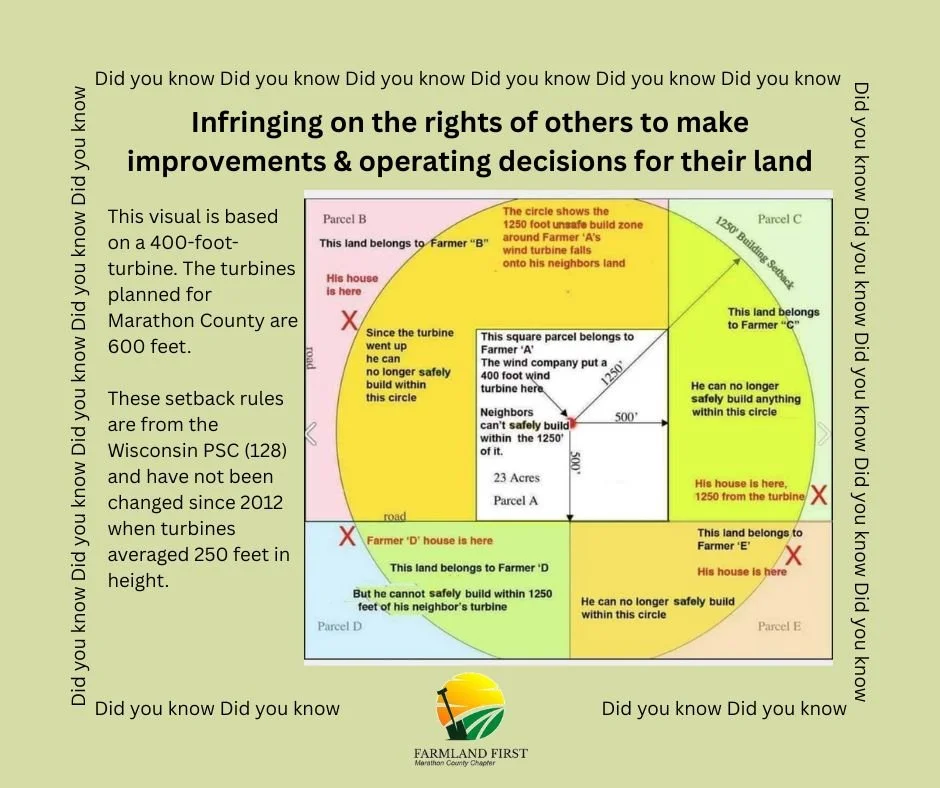
The Turbines being planned for various Wisconsin locations may be 580 feet tall, possibly 680 feet tall.
Twice the height of the Statue of Liberty,
As tall as the tallest skyscraper in Wisconsin.
Turbines may be located just 1,250 ft from your home.

Do you want to watch a sunset through the blades of a turbine?

“By signing that contract, I signed away the control of the family farm, and it’s the biggest regret I have ever experienced and will ever experience.”
Gary Steinich, Cambria, Wisconsin.
Farmland First Site Menu
Health & Safety
Livestock
Wildlife
About these Projects
Personal Experiences
Farmland First Chapters
Farmland First Allies
How to Find Encumbered Land
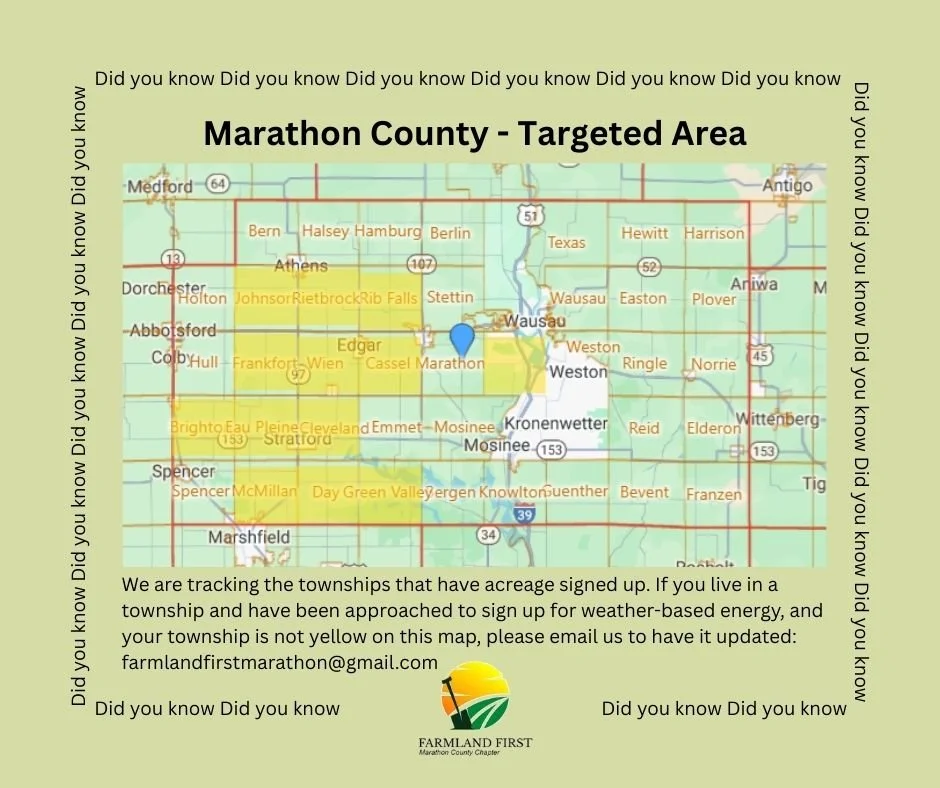
Development Target Zones